Science
Curriculum
Science
Science Curriculum
Intent, Implementation and Impact
"Everyone to Excel through Pride and Ambition"
Intent
At Montem Academy, our curriculum has been designed to provide our children with a rich scientific curriculum which encourages our inquisitive children to pose valid scientific questions that will allow them to follow lines of enquiry about the world we live in.
Our aim is to ensure that pupils develop their skills of enquiry and investigation to promote and progress their creative thinking. During science lessons, pupils will learn to ask scientific questions and begin to appreciate the way science will affect their future at a personal, national, and even at a global level.
Implementation
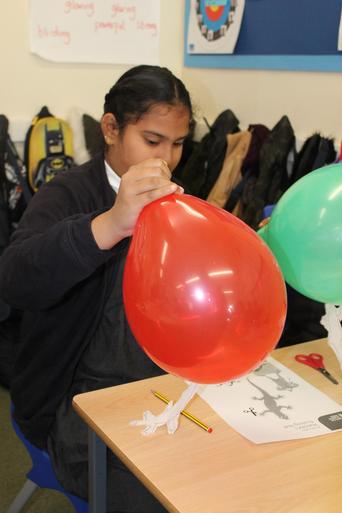
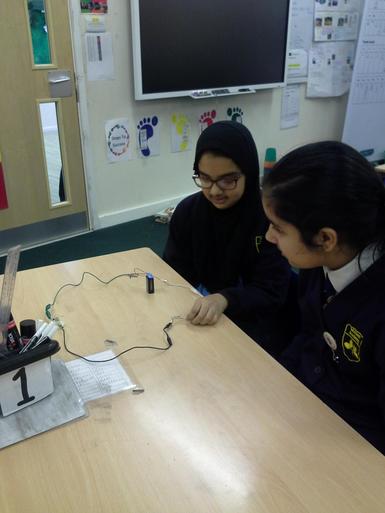
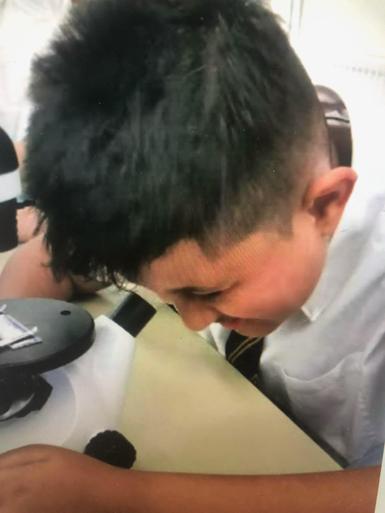
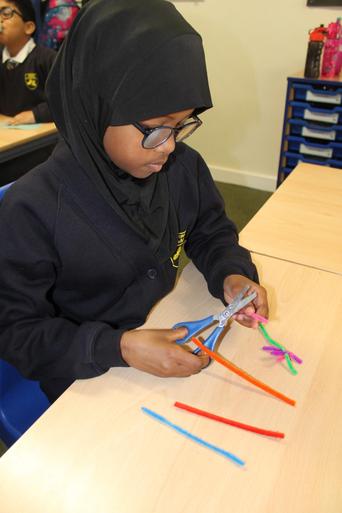
At Montem Academy, we believe that since ‘Science stimulates and excites a pupil’s curiosity about natural phenomena and events in the world around them’, we have implemented a science teaching strategy that encourages the development of an understanding of our environment, primarily through first-hand experience, exploration, interaction with scientific phenomena and by developing scientific language.
We will be using the National Curriculum as a guide. We will deliver the science syllabus using White Rose Science (which has acquired Evaluated status, awarded in March 2026 by the Association for Science Education), practical investigations supported by knowledge acquisition and further research.
In Key Stage 1 science is taught through the use of the White Rose Science Curriculum.
- Each lesson is approximately an hour long.
- The lessons within each unit of work follow the National Curriculum.
- Lessons focus on gaining knowledge and understanding as well as applying specific scientific skills, such as asking simple questions; observing; performing simple tests; identifying and classifying and using ideas to suggest answers to ensure scientific enquiry is woven throughout the unit of work.
Key Stage 2 Science is also taught through the use of the White Rose Science Curriculum.
- The depth of the curriculum is now explored so that each child has the ability to work to their best level.
- Each lesson is approximately an hour long in KS2.
- The lessons within each unit of work follow the National Curriculum.
- Lessons focus on further developing knowledge and understanding of key scientific topics.
- In KS2, a greater focus is put on scientific skills to ensure that children have the practical opportunities to apply skills such as, predicting and hypothesising; setting up enquires; observing and measuring; recording and presenting data and interpreting, concluding and evaluating to grow as young scientists.
All units follow a progression line that is applicable across the three main science disciplines of biology, chemistry and physics. New topics are taught, starting with the basic definitions, to ensure that the children understand what they are learning about.
Furthermore, our in-situ garden areas provide a natural outdoor science lab which our children can explore. The school library aids the teaching of the most wonderful subject in the world – SCIENCE!
Impact
Our Science Curriculum is age appropriate, well-thought-out and is planned to demonstrate progression across the three main science disciplines. If children keep up with the curriculum, they are deemed to be making good or better progress.
The lessons are engaging, include real-life examples, and allow them to become resilient and resourceful learners.
In addition, through reading age appropriate specifically selected texts, our children are exposed to the scientific knowledge that they will need prior to completing investigative experiments.
Finally, children are independently able to apply their knowledge, so we can measure the impact of our curriculum through the following methods:
- End of unit assessments which measure progress against National Curriculum outcomes;
- Tracking of knowledge through low-stakes quizzes;
- Pupil discussions about their learning;
- Evidence in pupils' books.
|
|
|
|
|